Imagine visiting an online store for the first time. You browse a few products, compare prices, add an item to your cart, and then leave because you're unsure about the purchase. A few minutes later, you receive a friendly WhatsApp message reminding you about the products you left behind. You return to the store, complete your order, receive instant order confirmation, shipping updates, and even a personalized discount for your next purchase after delivery.
This isn't just excellent customer service, it's a well-optimized customer journey.
Today's online shoppers expect more than just quality products. They want businesses to communicate quickly, answer questions instantly, provide real-time order updates, and make every interaction simple and convenient. If these expectations aren't met, customers can easily switch to a competitor with just a few clicks.
For Shopify merchants, delivering a seamless customer journey is no longer optional, it's a competitive advantage.
WhatsApp has become one of the most effective communication channels for ecommerce businesses because it enables businesses to engage with customers at every stage of the buying journey. From the first interaction to post-purchase support, WhatsApp helps merchants build trust, improve engagement, and increase conversions through timely and personalized communication.
In this guide, you'll learn how to optimize the WhatsApp customer journey Shopify merchants rely on to create better shopping experiences, strengthen customer relationships, and drive long-term business growth.
What Is the Shopify Customer Journey?
The customer journey is the complete experience a shopper has with your business, from discovering your brand for the first time to becoming a loyal repeat customer.
Every interaction influences the customer's decision to buy, return, or recommend your store to others.
A typical Shopify customer journey consists of several stages:
- Awareness
- Consideration
- Purchase
- Order Confirmation
- Shipping & Delivery
- Post-Purchase Engagement
- Customer Retention
Each stage presents an opportunity to improve the customer experience through meaningful communication.
Why Customer Journey Optimization Matters
Many Shopify merchants focus primarily on generating traffic and increasing sales. While attracting visitors is important, keeping customers engaged throughout their shopping journey is equally critical.
Optimizing the customer journey helps businesses:
- Increase conversion rates
- Reduce cart abandonment
- Improve customer satisfaction
- Build stronger customer relationships
- Encourage repeat purchases
- Generate positive reviews
- Increase customer lifetime value
A well-designed customer journey doesn't just lead to more sales, it creates loyal customers who continue to purchase from your store.
Why WhatsApp Is Transforming Ecommerce Communication
Traditional communication channels such as email and SMS still play an important role, but they often struggle to provide the immediacy customers expect today.
WhatsApp has become a preferred communication platform because it offers:
- Instant messaging
- Personalized conversations
- Two-way communication
- Real-time notifications
- Mobile-first convenience
Customers already use WhatsApp daily, making it a natural place for businesses to communicate.
Instead of waiting for customers to check their email, Shopify merchants can connect with them where they're already active.
The Seven Stages of the Shopify Customer Journey
Let's explore how WhatsApp enhances every stage of the customer journey.
Stage 1: Awareness
The customer journey begins before a customer even visits your Shopify store.
Potential customers discover your business through:
- Google Search
- Social media
- Online advertisements
- Influencer recommendations
- Word of mouth
At this stage, the goal is to create awareness and encourage visitors to explore your products.
How WhatsApp Helps
Businesses can use WhatsApp to:
- Share promotional campaigns
- Send product launch announcements
- Offer exclusive discounts
- Answer initial product inquiries
Prompt responses help create a positive first impression.
Stage 2: Consideration
After discovering your store, customers begin evaluating whether your products meet their needs.
They compare:
- Features
- Pricing
- Reviews
- Shipping options
- Return policies
This is often the stage where customers ask questions before making a purchase.
Using WhatsApp During Consideration
Businesses can use WhatsApp to provide:
- Product recommendations
- Frequently asked questions
- Size guides
- Stock availability
- Personalized support
Quick answers reduce hesitation and help customers make confident purchasing decisions.
Stage 3: Purchase
Once customers decide to buy, they move to the checkout.
Unfortunately, not every customer completes the process.
Unexpected costs, distractions, or payment issues can cause cart abandonment.
How WhatsApp Improves the Purchase Stage
One of the biggest advantages of WhatsApp automation is abandoned cart recovery.
For example:
"Hi Emma! You left your favorite running shoes in your cart. Complete your purchase today before they're out of stock."
These timely reminders encourage customers to return and finish their purchase.
Stage 4: Order Confirmation
The purchase isn't the end of the customer journey.
Immediately after checkout, customers want reassurance that their order has been received successfully.
Waiting several hours for an email confirmation can create uncertainty.
WhatsApp Order Confirmations
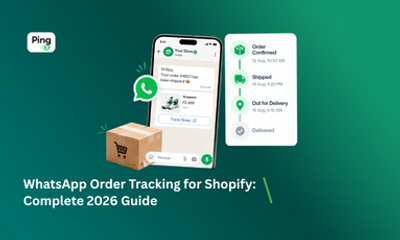
Automated order confirmation messages provide:
- Order number
- Product summary
- Payment confirmation
- Estimated delivery timeline
Instant communication builds trust and reduces customer anxiety.
Stage 5: Shipping and Delivery
One of the most common questions customers ask after placing an order is:
"Where is my order?"
Without proactive communication, support teams often receive repeated tracking inquiries.
Using WhatsApp for Shipping Updates
Businesses can automatically send:
- Shipping confirmation
- Tracking links
- Courier information
- Estimated delivery date
- Out-for-delivery notifications
Providing updates before customers ask improves the overall shopping experience while reducing support requests.
Customer Journey Overview
| Customer Journey Stage | Customer Goal | WhatsApp Communication |
| Awareness | Discover products | Promotions & campaigns |
| Consideration | Compare options | Product support & FAQs |
| Purchase | Complete checkout | Cart recovery reminders |
| Order Confirmation | Receive confirmation | Instant order notifications |
| Shipping | Track order | Shipping updates |
| Delivery | Receive purchase | Delivery confirmation |
| Retention | Buy again | Personalized offers & recommendations |
This journey illustrates how WhatsApp supports customers at every step, creating a more connected and engaging shopping experience.
Benefits of Optimizing the Customer Journey
When businesses optimize the WhatsApp customer journey Shopify stores depend on, they unlock several advantages.
Higher Customer Satisfaction
Customers appreciate proactive communication and timely updates.
Instead of searching for information, they receive it automatically.
Increased Trust
Transparent communication builds confidence.
Customers who know exactly what's happening with their order are more likely to trust your brand.
Better Shopify Customer Engagement
Consistent communication keeps customers connected throughout the buying journey.
Rather than interacting only during checkout, businesses continue building relationships after the purchase.
Improved Conversion Rates
Timely WhatsApp reminders encourage hesitant shoppers to return and complete their purchase.
Even small improvements in communication can significantly increase conversions.
Reduced Support Tickets
Automated updates answer common customer questions before they're asked.
This allows support teams to focus on more complex inquiries while improving operational efficiency.
Stage 6: Post-Purchase Engagement
Many Shopify merchants assume the customer journey ends once the order is delivered. In reality, this is where long-term customer relationships begin.
The post-purchase stage is an opportunity to thank customers, gather feedback, and encourage future purchases.
How WhatsApp Improves Post-Purchase Engagement
After delivery, businesses can automatically send messages such as:
- Thank-you messages
- Delivery confirmations
- Product care instructions
- Feedback requests
- Review requests
- Warranty or support information
For example:
Hi Emma! We hope you're enjoying your new running shoes. We'd love to hear about your experience. Leave a quick review and help other shoppers make the right choice!
These simple interactions make customers feel valued while increasing engagement.
Stage 7: Customer Retention
Acquiring a new customer often costs much more than retaining an existing one.
That's why successful Shopify brands invest in building long-term relationships instead of focusing only on one-time purchases.
Using WhatsApp for Customer Retention
Businesses can automate:
- Product recommendations
- Restock alerts
- Seasonal promotions
- Birthday offers
- Loyalty rewards
- Reorder reminders
For example, if a customer purchased skincare products two months ago, a WhatsApp reminder about replenishing those products can increase repeat purchases.
Retention strategies not only improve revenue but also strengthen brand loyalty.
Best Practices for Optimizing the Shopify Customer Journey
A great customer journey doesn't happen by accident. It requires thoughtful planning and continuous improvement.
1. Personalize Every Interaction
Customers respond better when messages feel relevant.
Instead of sending generic notifications, personalize messages by including:
- Customer name
- Product purchased
- Order number
- Personalized recommendations
Personalization creates a stronger connection and improves customer satisfaction.
2. Respond Quickly
Speed matters in ecommerce.
Whether a customer asks about product availability or delivery status, responding quickly can prevent lost sales.
Using WhatsApp automation for common interactions ensures customers receive instant information while your support team focuses on complex queries.
3. Communicate at Every Stage
Don't wait until customers reach out.
Proactively send updates during:
- Order confirmation
- Shipping
- Delivery
- Post-purchase follow-up
Keeping customers informed reduces uncertainty and builds trust.
4. Keep Messages Short and Clear
WhatsApp is designed for quick conversations.
Avoid sending lengthy paragraphs.
Instead:
- Use simple language
- Focus on one message at a time
- Include a clear call-to-action
For example:
Your order has been shipped! Track it here: [Tracking Link]
Short messages are easier to read and encourage faster responses.
5. Analyze Customer Behavior
Improving the customer journey requires ongoing analysis.
Monitor key metrics such as:
| Metric | Why It Matters |
| Cart Recovery Rate | Cart Recovery Rate |
| Customer Response Rate | Indicates engagement |
| Repeat Purchase Rate | Tracks customer loyalty |
| Order Completion Rate | Shows checkout efficiency |
| Customer Satisfaction | Measures overall experience |
Reviewing these insights regularly helps you identify opportunities for improvement.
Common Mistakes That Affect the Customer Journey
Even with automation in place, certain mistakes can negatively impact the customer experience.
Sending Too Many Messages
Frequent promotional messages can overwhelm customers and reduce engagement.
Focus on sending timely, valuable communication instead of constant marketing.
Ignoring Customer Replies
WhatsApp is a two-way communication channel.
If customers ask questions and don't receive timely responses, trust can quickly decline.
Always ensure customer inquiries are addressed promptly.
Generic Messaging
Customers appreciate messages that feel personal.
Avoid sending identical messages to every customer.
Instead, tailor communication based on customer behavior and purchase history.
Delayed Order Updates
Customers expect real-time updates.
Sending shipping information several hours late can create frustration and unnecessary support requests.
Automating notifications ensures customers stay informed.
Failing to Measure Performance
Without tracking campaign performance, businesses miss opportunities to improve.
Regularly review metrics such as customer engagement, conversion rates, and repeat purchases to refine your strategy.
How PingCart Helps Optimize the Shopify Customer Journey
Creating a seamless customer journey manually can become challenging as your Shopify store grows.
PingCart simplifies this process by automating communication across the entire shopping experience.
With PingCart, Shopify merchants can:
- Recover abandoned carts through automated WhatsApp reminders
- Send instant order confirmations
- Deliver real-time shipping and delivery updates
- Re-engage customers with personalized campaigns
- Track customer interactions through analytics
- Improve customer satisfaction with timely communication
- Increase repeat purchases through automated follow-ups
Instead of managing multiple communication tools, PingCart centralizes WhatsApp automation, helping businesses provide a consistent and engaging customer experience from the first interaction to repeat purchases.
The Future of the Shopify Customer Journey
Customer expectations continue to evolve.
In the coming years, businesses will increasingly rely on intelligent automation to create personalized shopping experiences.
Emerging trends include:
AI-Powered Personalization
Businesses will use customer behavior to send highly relevant messages automatically.
Predictive Customer Engagement
Automation tools will anticipate customer needs before they take action, offering timely recommendations and reminders.
Omnichannel Experiences
Customers will expect seamless communication across websites, email, social media, and messaging platforms like WhatsApp.
Advanced Analytics
Merchants will gain deeper insights into every stage of the customer journey, helping them continuously optimize customer engagement and business performance.
Conclusion
The Shopify customer journey is much more than the checkout process. Every interaction, from discovering your products to receiving post-purchase support, shapes the overall customer experience.
By integrating WhatsApp into each stage of the journey, businesses can communicate more effectively, build trust, reduce cart abandonment, and strengthen long-term customer relationships.
The combination of personalized messaging, timely updates, and automation creates a shopping experience that today's customers expect.
For Shopify merchants looking to improve Shopify customer engagement, investing in WhatsApp automation isn't just about sending messages, it's about creating meaningful conversations that encourage customers to return again and again.
Businesses that optimize their customer journey today will be better positioned to compete, retain customers, and grow in the evolving ecommerce landscape.
Ready to Transform Your Shopify Customer Journey?
Deliver personalized customer experiences from the first interaction to repeat purchases with intelligent WhatsApp automation.
👉 Visit PingCart: https://pingcart.in/