Getting a customer to place an order is only the beginning.
For Shopify brands, long-term growth depends on what happens after the first purchase. Does the customer come back? Do they engage with the brand again? Do they remember the store when they need another product?
This is where customer loyalty becomes important.
Many Shopify brands focus heavily on acquiring new customers through ads, social media, influencers, and promotions. But building a relationship with customers after they purchase can be equally important.
WhatsApp gives Shopify brands a direct way to stay connected with customers throughout their buying journey.
From order updates and personalized recommendations to loyalty rewards, product launches, feedback requests, and re-engagement messages, WhatsApp can help brands create more meaningful customer interactions.
With WhatsApp automation for Shopify, brands can automate these customer conversations while keeping their communication timely and relevant.
In this guide, we'll explore how Shopify brands can use WhatsApp to build customer loyalty, which strategies can support repeat purchases, and how automation can make loyalty communication easier to manage.
What Does Customer Loyalty Mean for Shopify Brands?
Customer loyalty goes beyond getting someone to buy more than once.
A loyal customer is more likely to:
- Choose your brand again
- Explore new products
- Recommend your store to others
- Engage with your campaigns
- Respond to relevant offers
- Trust your brand over time
For Shopify stores, loyalty can develop through many different experiences.
A customer may become loyal because they love the product.
Another customer may appreciate fast support.
Someone else may value exclusive offers, early access, rewards, or personalized recommendations.
This means loyalty isn't created by one message or one discount.
It is built through a series of positive interactions.
Why WhatsApp Can Help Shopify Brands Build Loyalty
Customers don't always visit a Shopify store after making a purchase.
They may not check promotional emails regularly either.
WhatsApp gives brands another way to maintain communication after checkout.
For example, a customer could receive:
After purchase:"Thanks for your order! We're getting it ready for you."
After delivery:"Hope you're enjoying your new purchase!"
Later:"Based on your previous purchase, you may like these new arrivals."
For loyal customers:"You've unlocked early access to our new collection."
These interactions help the brand remain part of the customer's journey without relying entirely on the customer to return to the website.
1. Start Building Loyalty From the First Purchase
Customer loyalty doesn't start after the fifth or tenth order.
It can start with the first interaction.
Once a customer completes their first purchase, use WhatsApp to create a positive post-purchase experience.
A simple thank-you message can make the communication feel more personal.
Example
Hi {{customer_name}} Thank you for shopping with us! Your order {{order_number}} has been confirmed. We'll keep you updated throughout the delivery journey.
This isn't a sales message.
It provides useful information while establishing another communication touchpoint with the customer.
That distinction matters.
Loyalty communication shouldn't feel like the brand is constantly trying to sell something.
2. Keep Customers Updated After Purchase
One of the easiest ways to maintain customer trust is to communicate clearly after an order.
Customers want to know:
- Has my order been confirmed?
- Has it been shipped?
- Where is it now?
- When will it arrive?
- Has it been delivered?
WhatsApp can be used to automate these important updates.
For example:
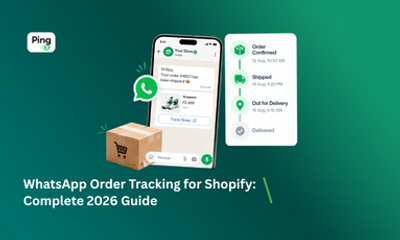
Order Confirmed → Shipping Update → Tracking Link → Delivery Update
This creates a smoother post-purchase experience.
It also gives brands additional opportunities to stay connected with customers without sending unrelated promotional messages.
3. Personalize WhatsApp Communication
Generic messages can quickly become background noise.
Personalization can make communication more relevant.
For example, instead of:
"Check out our latest products."
A brand could send:
"Hi {{customer_name}}, you recently purchased our skincare starter kit. We've just launched a new moisturizer designed to complement it."
The second message has context.
It gives the customer a reason to pay attention.
Shopify brands can personalize communication using information such as:
- Customer name
- Previous purchases
- Product category
- Purchase frequency
- Order history
- Loyalty status
- Customer preferences
The goal isn't to personalize every word.
The goal is to make the message relevant.
4. Give Loyal Customers Exclusive Benefits
People like feeling recognized.
Shopify brands can use WhatsApp to create exclusive experiences for repeat customers.
These could include:
- Early access to new products
- Member-only offers
- Exclusive product launches
- Free shipping
- Special bundles
- Birthday rewards
- Loyalty points
- VIP events
For example:
You're one of our VIP customers Get early access to our new collection before it launches publicly tomorrow.
The value here isn't only the discount.
The customer is being recognized for their relationship with the brand.
5. Use Loyalty Rewards Beyond Discounts
Discounts are common in ecommerce, but loyalty doesn't have to depend entirely on price reductions.
Brands can reward customers with:
- Loyalty points
- Free shipping
- Early access
- Exclusive products
- Samples
- Gift items
- Referral rewards
- Special experiences
For example:
You've reached 5 purchases with us! As a thank-you, we've unlocked free shipping on your next order.
This can make the customer feel that their previous purchases are being recognized.
6. Celebrate Customer Milestones
Milestones create opportunities for meaningful communication.
A Shopify brand could recognize:
- First purchase
- Second purchase
- Fifth purchase
- Anniversary with the brand
- Loyalty tier upgrade
- Spending milestone
- Referral milestone
For example:
Five orders already! Thank you for being part of our journey. Here's a special reward for your next purchase.
These messages don't need to be sent frequently.
Their value often comes from being occasional and relevant.
7. Recommend Products Based on Previous Purchases
Product recommendations can help Shopify brands maintain engagement after a customer has already purchased.
But the recommendation should make sense.
For example, a customer purchases running shoes.
A relevant follow-up could recommend:
- Running socks
- Shoe cleaning products
- Running accessories
- New running apparel
A customer purchases coffee.
The brand could recommend:
- Another coffee blend
- A coffee subscription
- Brewing equipment
- Complementary products
WhatsApp can be used to communicate these recommendations directly.
Example
Enjoying your coffee from us? You may also like our new medium-roast blend, selected for customers who prefer a smoother flavour.
The more relevant the recommendation, the more natural the communication feels.
8. Send Replenishment Reminders
Some products naturally need to be purchased again.
Examples include:
- Skincare
- Coffee
- Pet food
- Cosmetics
- Household products
Instead of waiting for customers to remember, brands can send timely reminders.
For example:
Running low on your favourite face cleanser?It's probably time for a refill. Shop your usual product here: {{link}}
This type of communication can support repeat purchases while being genuinely useful to the customer.
The important part is timing.
A replenishment message sent too early may be irrelevant.
A message sent too late may miss the customer's buying window.
9. Re-Engage Customers Who Have Become Inactive
Not every customer will continue purchasing automatically.
Some customers may make one purchase and disappear.
Others may purchase several times before becoming inactive.
WhatsApp can help brands re-engage these customers.
Instead of sending the same promotion to everyone, create messages based on customer behavior.
For example:
Hi {{customer_name}}, it's been a while! We've added some new products that you might like based on your previous purchases.
Another customer could receive:
Your favourite collection just got new arrivals. Take a look at what's new.
The goal is to give inactive customers a relevant reason to return.
10. Use WhatsApp for Product Launches
New product launches can also become loyalty opportunities.
Instead of announcing a new product to everyone at the same time, brands can give existing or high-value customers early access.
For example:
Something new is coming As one of our returning customers, you're getting early access before the public launch.
This can make loyal customers feel like insiders rather than just another marketing audience.
11. Ask Customers for Feedback
Loyalty is not only about sending messages.
It is also about listening.
After a customer receives their order, brands can ask for feedback.
For example:
We hope you're enjoying your order! How was your experience with us?
You can collect feedback about:
- Product quality
- Delivery experience
- Packaging
- Customer service
- Overall shopping experience
Feedback can help brands understand what customers value and where the customer journey can be improved.
It can also make customers feel that their opinion matters.
12. Turn Happy Customers Into Brand Advocates
A loyal customer can become more than a repeat buyer.
They can become an advocate for the brand.
Once a customer has had a positive experience, brands can encourage:
- Product reviews
- Referrals
- Social sharing
- User-generated content
- Recommendations to friends
For example:
Loved your purchase? We'd love to hear what you think. Leave a quick review and help other shoppers discover the product.
Referral campaigns can also be connected to loyalty strategies.
For example:
Refer a friend and you'll both receive a reward on your next purchase.
This creates a cycle:
Purchase → Positive Experience → Loyalty → Referral → New Customer
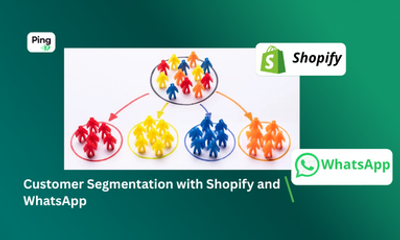
13. Segment Customers Before Sending WhatsApp Messages
One of the biggest mistakes Shopify brands can make is treating every customer the same.
A first-time customer shouldn't necessarily receive the same message as a customer who has purchased ten times.
You can create segments such as:
New Customers
Send:
- Welcome messages
- Product education
- First-purchase support
- Brand introduction
Repeat Customers
Send:
- Product recommendations
- Early access
- Loyalty rewards
- New arrivals
VIP Customers
Send:
- Exclusive launches
- Premium benefits
- Special rewards
- Personalized offers
Inactive Customers
Send:
- Re-engagement campaigns
- Relevant product recommendations
- New collection updates
- Limited-time incentives
Segmentation makes communication more relevant and can help reduce unnecessary messaging.
14. Don't Make Every WhatsApp Message a Sales Pitch
This is one of the most important rules for building loyalty.
If every message says:
"Buy now."
Customers may stop paying attention.
A better balance includes different types of communication:
Utility
Order confirmations, shipping updates, delivery notifications.
Value
Product tips, recommendations, useful information.
Recognition
Rewards, milestones, VIP benefits.
Engagement
Feedback, reviews, conversations.
Promotion
Offers, new products, sales and campaigns.
Loyalty grows when customers receive value, not just advertisements.
15. Automate the Customer Loyalty Journey
Managing these messages manually becomes difficult as a Shopify store grows.
Imagine manually checking:
- Who made their first purchase
- Who hasn't purchased recently
- Who qualifies for a reward
- Who should receive a product recommendation
- Who needs a replenishment reminder
- Who should receive early access
Automation can handle many of these repetitive workflows.
A basic loyalty journey could look like:
First Purchase
↓
Thank-You Message
↓
Order & Delivery Updates
↓
Post-Purchase Engagement
↓
Product Recommendation
↓
Loyalty Reward
↓
Early Access
↓
Repeat Purchase
↓
Referral / Review
The customer receives relevant communication throughout the relationship rather than only during a sale.
How PingCart Can Support Shopify Customer Loyalty
For Shopify merchants, managing WhatsApp communication across multiple customer touchpoints can become difficult without automation.
PingCart helps Shopify merchants automate WhatsApp communication across customer touchpoints such as order updates, abandoned-cart recovery, customer engagement, re-engagement, and loyalty-focused messaging.
Brands can create automated workflows based on Shopify events and personalize messages using customer and order information.
PingCart also provides analytics so merchants can monitor message delivery and engagement rather than sending campaigns without knowing how they performed.
If you're evaluating automation tools for your store, you can explore the PingCart pricing plans to understand the available options.
How to Get Started With WhatsApp Loyalty Automation
You don't need dozens of automated campaigns on day one.
Start with a simple customer journey.
Step 1: Connect Your Shopify Store
Connect your Shopify store with a WhatsApp automation platform.
Step 2: Create Your First Customer Workflows
Start with useful workflows such as:
- Order confirmation
- Shipping updates
- Delivery notifications
- Abandoned cart recovery
Step 3: Add Personalization
Use relevant customer and order information to make messages more useful.
Step 4: Build Repeat-Purchase Campaigns
Once your basic automation is working, introduce:
- Product recommendations
- Replenishment reminders
- Loyalty rewards
- New product announcements
Step 5: Measure Performance
Monitor delivery, engagement, clicks, replies, and repeat purchases.
Use the results to improve your communication strategy.
Shopify merchants can also install the PingCart app and start building WhatsApp automation workflows directly for their store.
Common Mistakes Shopify Brands Should Avoid
Sending Too Many Messages
More messages don't automatically create stronger loyalty.
Only send communication that provides a clear reason for the customer to engage.
Using the Same Message for Everyone
Different customers have different relationships with your brand.
Use segmentation where possible.
Relying Only on Discounts
If every loyalty message contains a discount, customers may start waiting for the next offer instead of valuing the brand.
Use recognition, convenience, exclusive access and useful content too.
Ignoring Post-Purchase Customers
The relationship shouldn't end after delivery.
The post-purchase period is an opportunity to build trust and encourage future engagement.
Not Measuring Results
Track your campaigns to understand what customers actually respond to.
Useful metrics can include:
- Delivery rate
- Read rate
- Click rate
- Replies
- Repeat purchases
- Revenue from campaigns
- Customer engagement
A Simple WhatsApp Loyalty Strategy for Shopify
If you're starting from scratch, begin with these five stages:
1. First PurchaseSend a thank-you message and order confirmation.
2. DeliveryKeep customers informed about shipping and delivery.
3. Post-PurchaseAsk for feedback or a review after the customer has experienced the product.
4. Repeat PurchaseRecommend relevant products based on their purchase history.
5. Loyalty & Re-EngagementOffer rewards, early access, personalized campaigns, or relevant messages to encourage continued engagement.
As your store grows, you can expand these workflows based on customer behavior.
Final Thoughts
Customer loyalty isn't created by one discount, one campaign, or one WhatsApp message.
It develops through consistent experiences.
For Shopify brands, WhatsApp can become a useful channel for maintaining that relationship across the customer journey.
From the first purchase to post-purchase support, product recommendations, loyalty rewards, exclusive access, feedback, and re-engagement, brands can use WhatsApp to communicate with customers at moments that actually matter.
The key is to make every message relevant.
Don't message customers simply because you can.
Give customers useful information, recognize their relationship with your brand, and create reasons to come back.
With the right Shopify automation strategy, WhatsApp can become part of a broader customer loyalty system that helps brands stay connected long after the first purchase.
Ready to build stronger customer relationships through WhatsApp?
Explore PingCart, check the pricing plans, or install the PingCart app to start automating WhatsApp communication for your Shopify store.